Equipment
* optional
Ingredients
Squash
- 1500 g butternut squash, whole
- 15 ml neutral oil
- 2 g fine sea salt
Miso Glaze
- 50 g white miso paste
- 30 ml mirin
- 20 ml gluten-free tamari
- 25 ml maple syrup
- 15 ml toasted sesame oil
- 10 g fresh ginger, peeled and grated
- 10 g garlic, minced
Garnish
- 25 g scallions, thinly sliced
- 8 g toasted sesame seeds
- shichimi togarashi
Nutrition (per serving)
Nutrition is estimated per serving. Nutrients without complete source data are omitted.
Full nutrition
- Calories
- 178 kcal
- Protein
- 4 g
- Carbohydrates
- 32 g
- Fat
- 6 g
- Fiber
- 5 g
- Sodium
- 980 mg
- Saturated Fat
- 1 g
Sources: Aggregated Public Data, USDA FoodData Central
Method
Preheat the oven to 200°C (400°F). Line a sheet pan with parchment paper or lightly oil it.
Using a vegetable peeler, remove the skin from the butternut squash. Slice it in half from stem to base and scoop out the seeds with a large spoon. Reserve the seeds for another use if desired.
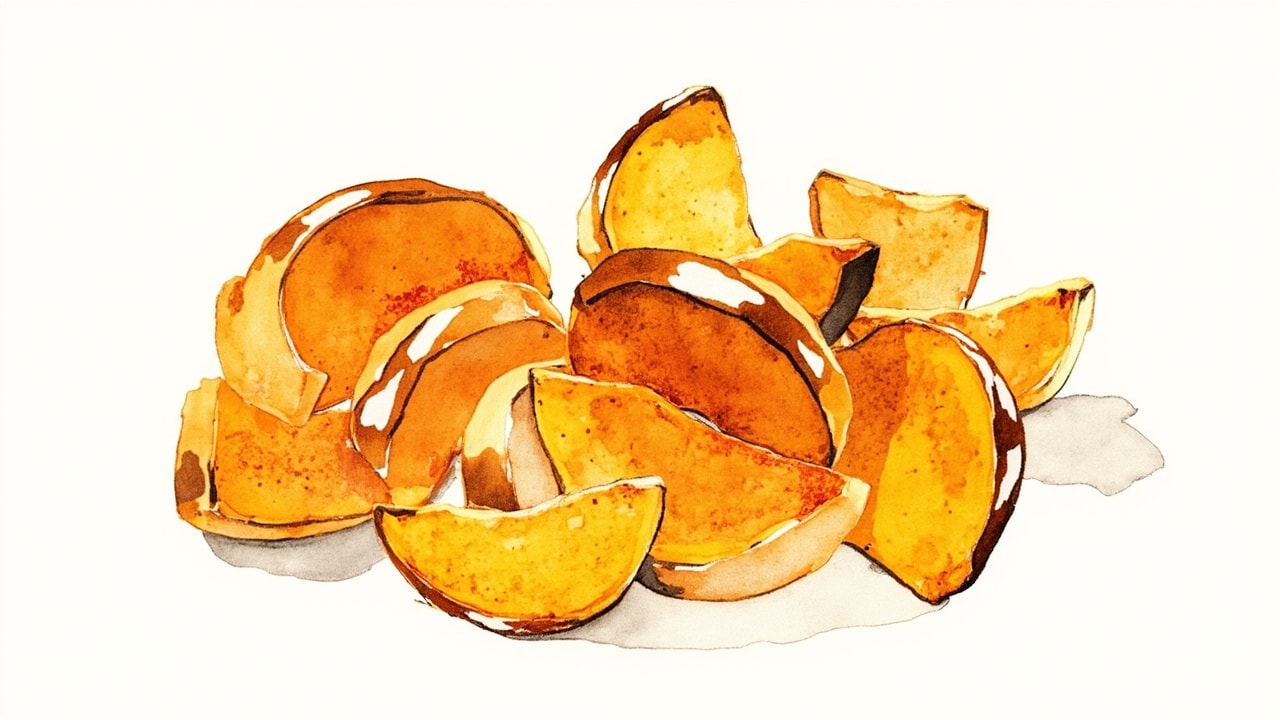
Cut the peeled squash into wedges about 2.5 cm (1 inch) thick at the widest point. Aim for pieces that are similar in size so they roast evenly.
In a large mixing bowl, toss the squash wedges with the neutral oil and salt until every surface is lightly coated.
Arrange the wedges on the prepared sheet pan in a single layer, cut sides down, leaving space between pieces for air circulation.
Roast for 20 minutes, until the undersides are deep golden brown and the squash is nearly tender when pierced with a knife.
While the squash roasts, whisk the white miso, mirin, tamari, maple syrup, toasted sesame oil, grated ginger, and minced garlic in a small bowl until completely smooth.
Remove the pan from the oven. Carefully turn each wedge so the cut side faces up. Brush or spoon about two-thirds of the glaze evenly over the wedges, coating the exposed flesh.
Return the pan to the oven and roast for an additional 10 to 12 minutes, until the glaze is bubbling, lightly charred at the edges, and the squash is completely tender when pierced.
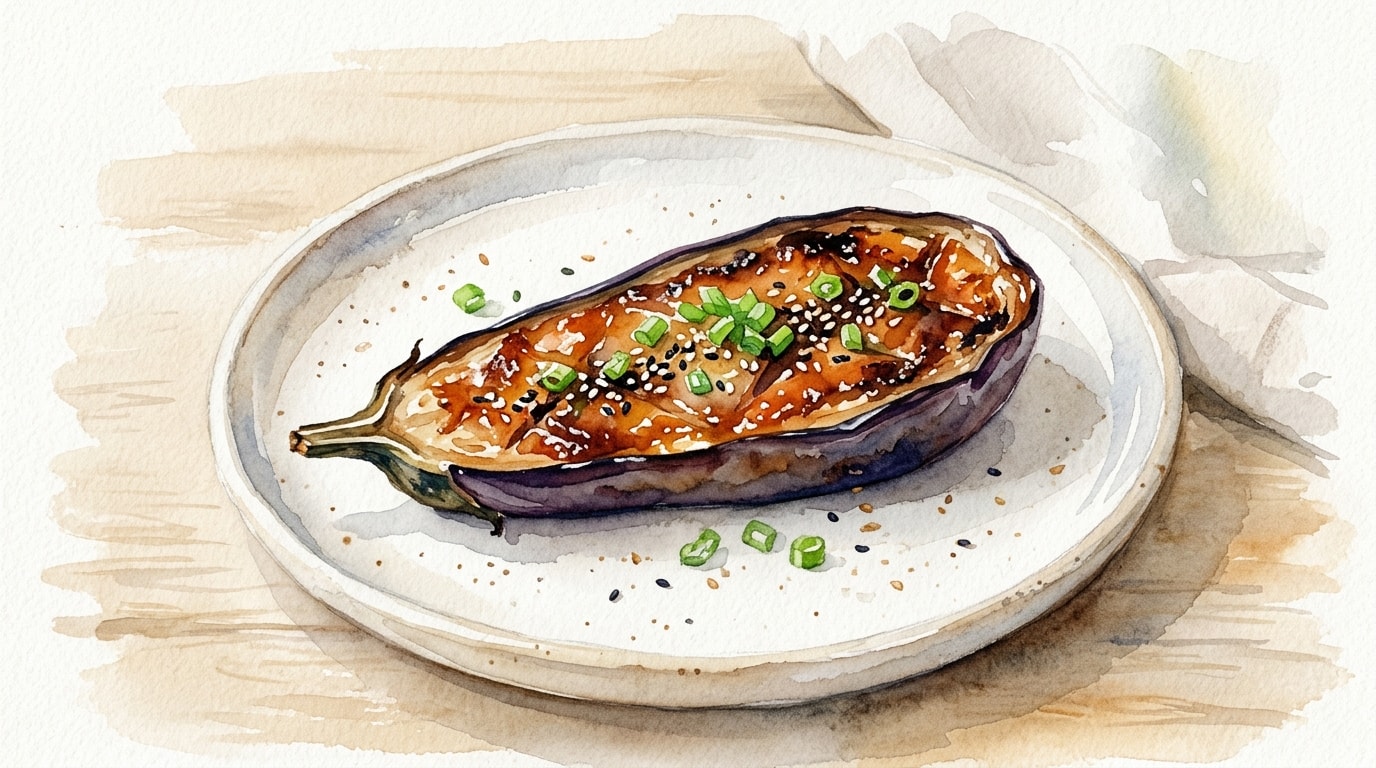
Transfer the wedges to a serving platter. Drizzle the remaining glaze over the top and sprinkle with sliced scallions and toasted sesame seeds. Finish with shichimi togarashi if using, and serve warm.
Chef's Notes
- Use rice-based white miso (shiro) for the cleanest sweet-savory balance; red miso (aka) delivers deeper, saltier umami if you prefer intensity.
- Reserve the squash seeds, rinse them well, toss with a teaspoon of tamari and a pinch of maple syrup, and roast at 180°C (350°F) for 12 to 15 minutes for a crunchy garnish.
- For extra glaze adhesion, lightly score the flesh side of each wedge in a shallow diamond pattern before the first roast; this gives the miso more surface to cling to.
- Apply the glaze in two stages: a base coat partway through roasting prevents burning, while a finishing brushcoat after roasting preserves glossy color and a hint of fresh ginger aroma.
- Leftover glaze keeps for 5 days refrigerated; whisk it through warm rice or drizzle over roasted carrots, sweet potatoes, or grain bowls.
Storage
Refrigerator: 5 days — Store in an airtight container once cooled.
Freezer: 2 months — Freeze without garnish in a freezer-safe container; thaw overnight in the refrigerator.
Reheating: Reheat in a 190°C (375°F) oven for 6 to 8 minutes until warmed through and edges re-crisp. Avoid microwaving, which softens the caramelization.
Troubleshooting
Squash is pale and soft rather than caramelized
Cause: Pan was overcrowded, causing the squash to steam instead of roast
Fix: Transfer to a hotter oven (220°C/425°F) for 5 to 7 minutes to recover some color, though true caramelization cannot be fully restored
Prevention: Arrange wedges in a single layer with at least 2 cm of space between them; use two pans if needed
Glaze burns or turns bitter before the squash is tender
Cause: Sugar in the maple syrup caramelized too quickly, or the oven runs hot
Fix: Carefully wipe off the burnt glaze with a paper towel and brush on a fresh, thinner coat before serving
Prevention: Reserve glaze for the final 10 to 12 minutes of roasting; verify oven temperature with a thermometer
Squash wedges are still firm in the center after roasting
Cause: Wedges were cut too thick, or the oven temperature was too low
Fix: Return to the oven for an additional 5 to 10 minutes, tented with foil if the glaze is already dark
Prevention: Cut wedges no thicker than 2.5 cm at the widest point; confirm oven has reached 200°C before roasting
Glaze is thin and runs off the squash
Cause: Miso glaze was not whisked long enough to emulsify, or too much liquid was added
Fix: Simmer the glaze in a small saucepan for 2 to 3 minutes to thicken before brushing onto the squash
Prevention: Whisk thoroughly until the miso is fully dissolved and the glaze coats the back of a spoon
Cultural Context
Miso, a fermented paste typically made from soybeans or other grains inoculated with koji culture, has anchored Japanese kitchens for over a thousand years, where it appears in soups, dressings, and glazes. Glazing seasonal produce with miso reflects the Japanese culinary principle of pairing the subtle sweetness of autumn vegetables with the deep umami of fermented foods, a balance that turns a humble squash into something layered and savory. This approach has become a favorite of contemporary Japanese home cooking and modern Thanksgiving tables, where it bridges East and West through a shared appreciation for caramelized fall produce.