Equipment
* optional
Ingredients
Swordfish
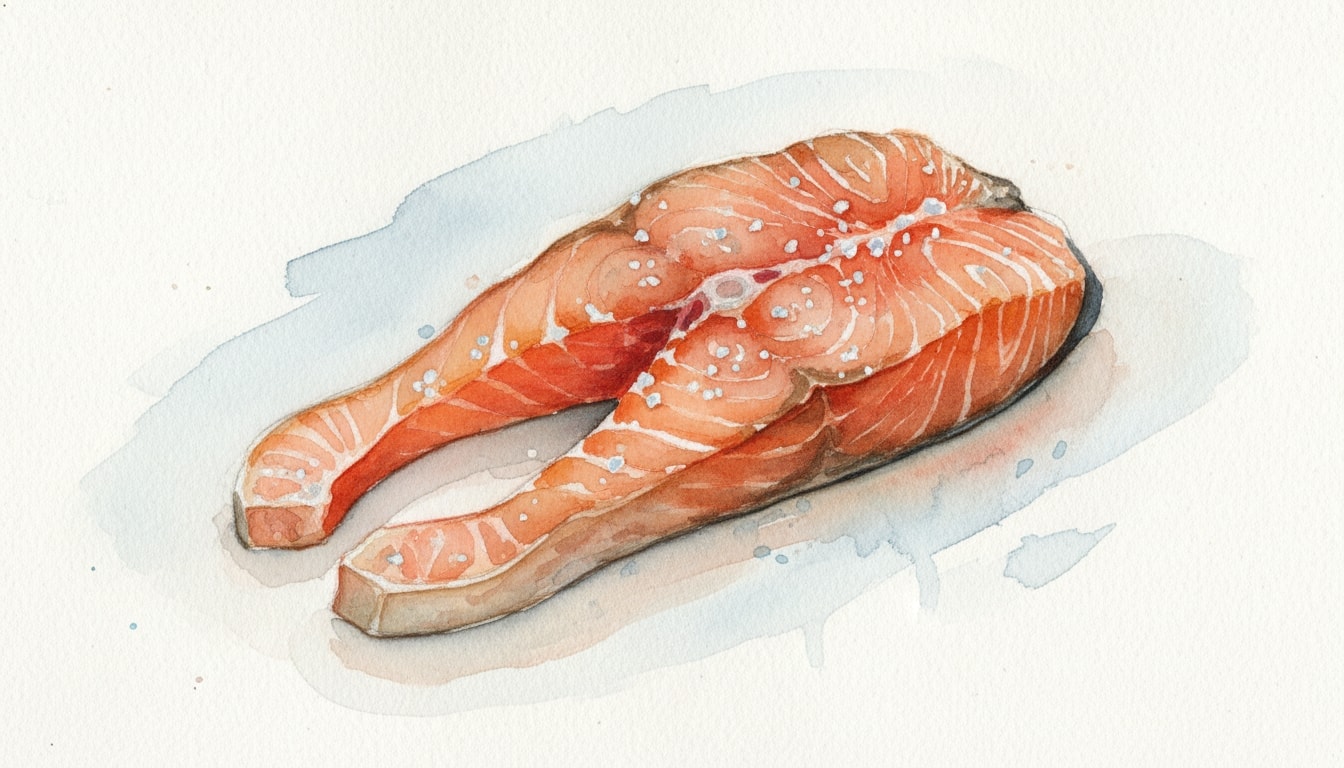
- 800 g swordfish steak, skin removed, about 2.5cm thick
Sweet and Hot Peppers
- 150 g red bell pepper, cored, seeded, sliced into 1cm strips
- 150 g yellow bell pepper, cored, seeded, sliced into 1cm strips
- 1 jalapeño, seeded and minced for moderate heat; leave some seeds in for spicier results
Aromatics and Pantry
- 150 g yellow onion, halved and sliced thin root to tip
- 4 garlic, minced
- 30 ml olive oil, divided; 20ml for searing the fish and 10ml for sautéing the vegetables
- 30 g unsalted butter, cold, cut into 1cm cubes
- 1 lemon, zested and juiced
- 5 g fresh flat-leaf parsley, leaves only, finely chopped
- 4 g kosher salt, plus more to taste
- 2 g black pepper, freshly ground, plus more for finishing
Nutrition (per serving)
Nutrition is estimated per serving. Nutrients without complete source data are omitted.
Full nutrition
- Calories
- 384 kcal
- Protein
- 32 g
- Carbohydrates
- 13 g
- Fat
- 23 g
- Fiber
- 3 g
- Sugar
- 6 g
- Sodium
- 516 mg
- Saturated Fat
- 7 g
- Potassium
- 915 mg
- Calcium
- 44 mg
- Iron
- 1.4 mg
- Magnesium
- 49 mg
- Phosphorus
- 414 mg
- Zinc
- 1.1 mg
- Vitamin A
- 201 mcg
- Vitamin C
- 80 mg
- Water
- 137 g
Sources: Aggregated Public Data, USDA FoodData Central
Method
Remove the swordfish steaks from the refrigerator 15 minutes before cooking. Pat each steak thoroughly dry on both sides with paper towels; surface dryness is essential for a deep golden crust rather than steam. Season generously on both sides with 3g of the kosher salt and 1g of the black pepper. Set the steaks aside at room temperature to temper while you prepare the vegetables.
While the swordfish tempers, prepare the vegetables. Core and seed the red and yellow bell peppers, then slice into 1cm (about 1/2 inch) strips. Halve the onion from root to tip and slice into thin half-moons. Mince the garlic. Halve the jalapeño lengthwise, scrape out the seeds and white ribs for moderate heat (leave some seeds in for spicier results), then mince. Zest the lemon with a microplane, halve it, and juice. Chop the parsley leaves. Group everything within easy reach of the stove.
Heat 20ml of the olive oil in a 30cm cast iron or heavy-bottomed skillet over medium-high heat until the oil shimmers and just begins to send up thin wisps of smoke, about 2 to 3 minutes. Carefully lay the swordfish steaks in the oil, leaving at least 2cm of space between each piece. Sear undisturbed for 4 minutes, until a deep golden-brown crust forms on the bottom and the steak moves freely when nudged with the spatula.
Flip each steak using the fish spatula or tongs. Reduce the heat to medium and cook the second side for 3 to 4 minutes, until an instant-read thermometer inserted into the thickest part reads 60 to 61°C (140 to 142°F). The edges should look opaque while the very center still feels slightly yielding when pressed; carryover cooking will bring the fish safely to 63°C (145°F) during the rest.
Transfer the swordfish steaks to a warm plate and tent loosely with aluminum foil. Let rest for 5 minutes while you prepare the pepper sauté; this allows the juices to redistribute and the internal temperature to climb gently to 63°C (145°F) at the thickest part. Do not skip this rest, as cutting in immediately will cause the juices to run out onto the plate.
Return the same skillet to medium heat (no need to wipe it out; the browned bits left from the fish add flavor). Add the remaining 10ml of olive oil and the sliced onion. Sauté for 4 to 5 minutes, stirring frequently, until the onion softens, turns translucent, and develops lightly golden edges.
Add the sliced red and yellow bell peppers along with a small pinch of salt. Increase the heat to medium-high and cook for 8 to 10 minutes, stirring every couple of minutes, until the peppers are tender with charred edges and any liquid pooled in the pan has mostly evaporated. The peppers should look glossy and slightly collapsed rather than crisp and watery.
Reduce the heat to medium-low. Add the minced garlic and jalapeño and cook for 60 to 90 seconds, stirring constantly, until fragrant but not browned. Garlic burns quickly, so move the pan off the heat entirely if you notice any browning.
Add the lemon juice and use a wooden spoon to scrape up any browned bits from the bottom of the pan. Let the juice bubble and reduce by half, about 30 to 45 seconds. Remove the pan from the heat and add the cold butter cubes, swirling continuously until they melt into a silky, emulsified sauce. Stir in the lemon zest and taste; adjust with a pinch of the remaining kosher salt if needed.
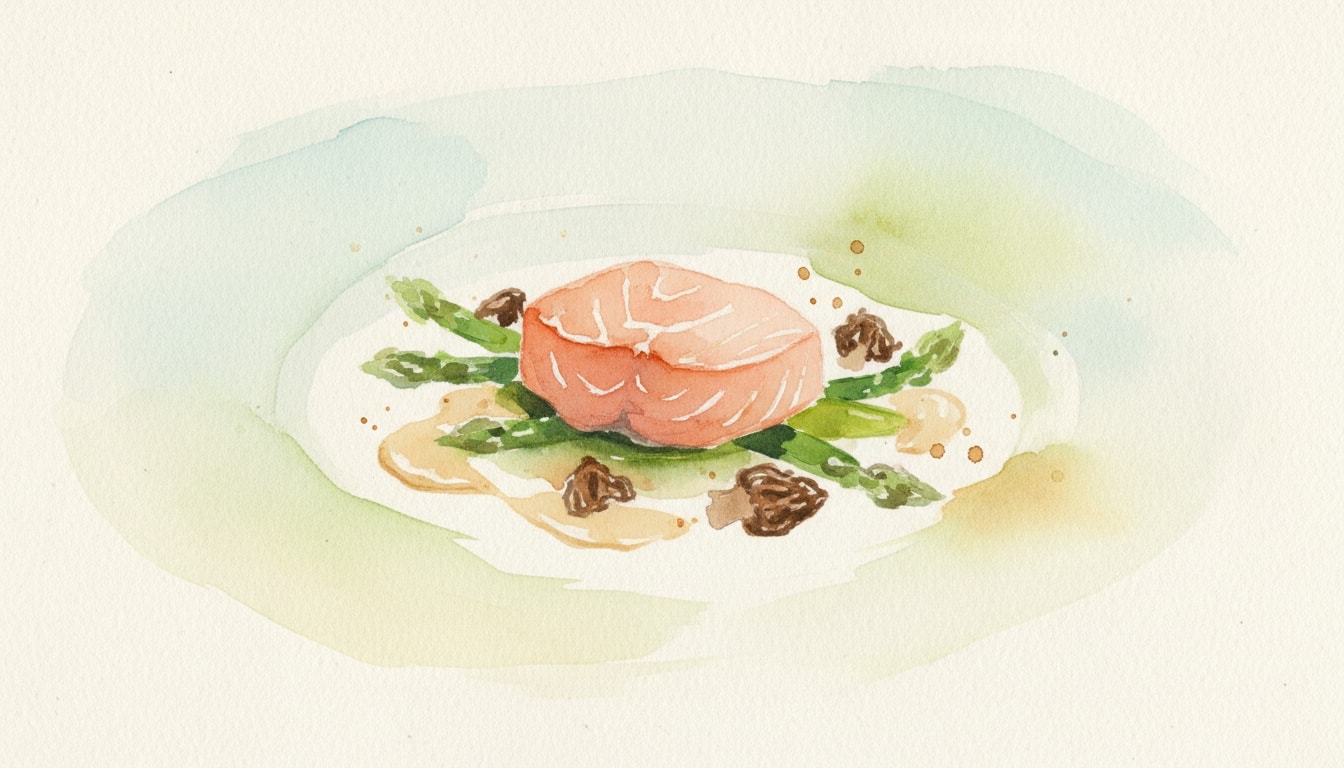
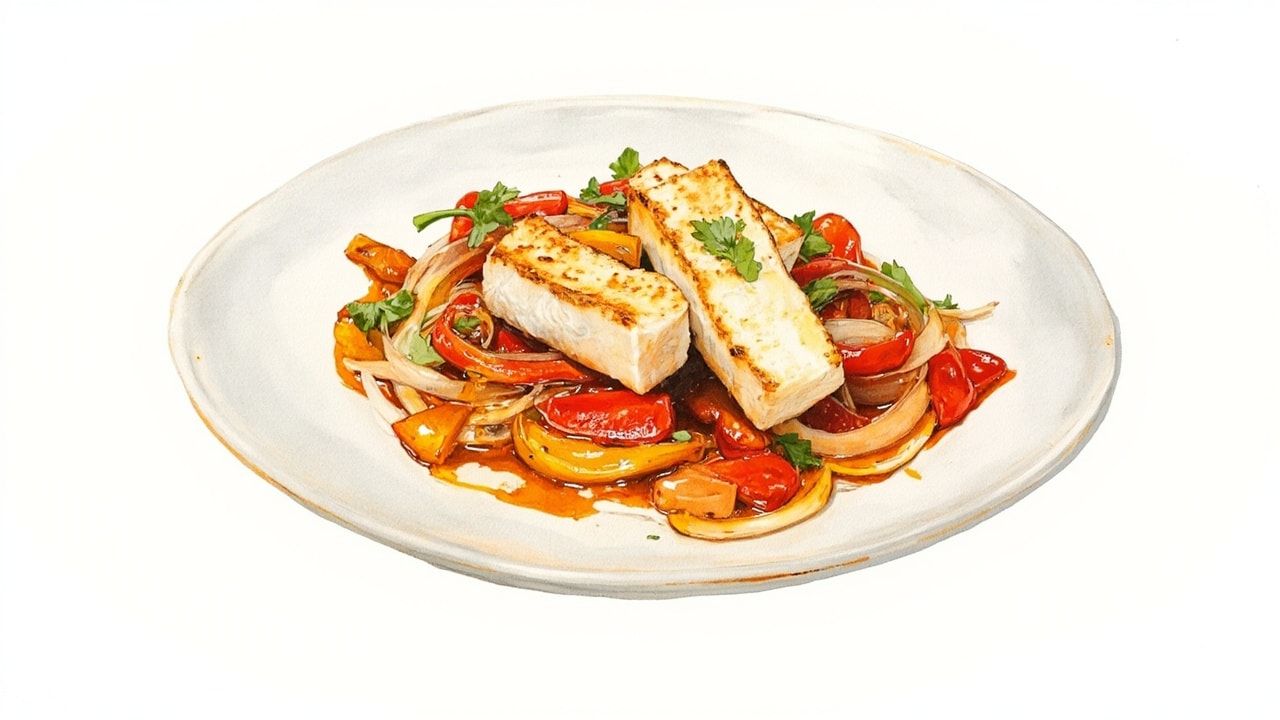
Spoon a generous bed of the pepper mixture onto each of four warmed plates. Lay a rested swordfish steak on top of the peppers. Spoon the lemon-butter pan sauce over and around the fish. Scatter the chopped parsley across the top and finish with a final grind of the remaining black pepper. Serve immediately with lemon wedges on the side and crusty bread if desired.
Chef's Notes
- Choose swordfish steaks that are firm, moist, and have a clean briny scent; avoid any with a strong fishy odor or visible discoloration. Swordfish has naturally elevated mercury levels, so consumption should be limited, particularly for pregnant or nursing individuals and young children.
- Cooking the swordfish first and then using the same skillet for the vegetables captures all the flavorful browned bits (the fond) left by the fish. This adds depth and umami without any extra effort or equipment, and keeps cleanup to a single skillet.
- Pull the swordfish at 60 to 61°C (140 to 142°F) internal; carryover heat will bring it to the safe 63°C (145°F) during the rest. Swordfish goes from perfect to dry very quickly because its dense flesh holds little water, so an instant-read thermometer is genuinely useful here.
- For variation, try a mix of Italian frying peppers and small padron peppers for a Spanish-leaning version, or substitute fresh oregano and a pinch of smoked paprika for the parsley finish. A splash of dry white wine in the deglaze also adds welcome acidity and complexity.
- Sweet and hot peppers reach balance here because capsaicin, the heat compound in the jalapeño, is fat-soluble. The olive oil and butter help carry the heat evenly across the palate rather than letting it spike in one bite, which is why the heat feels gentle and integrated rather than sharp.
Storage
Refrigerator: 3 days — Store the swordfish and pepper mixture in separate airtight containers so the fish does not soak up pepper juices
Reheating: Warm the swordfish gently in a 150°C (300°F) oven for 8 to 10 minutes until just heated through to an internal temperature of 63°C (145°F). Refresh the peppers in a dry skillet over medium heat for 2 to 3 minutes. Avoid microwaving, which overcooks the fish.
Troubleshooting
Swordfish sticks to the pan and tears when flipped
Cause: Pan was not hot enough when the fish was added, the surface was not dry enough, or the fish was flipped before the crust fully released
Fix: If a steak is stuck, give it another 30 to 60 seconds and it will release naturally when the crust has formed. If a piece tears despite this, serve the torn side down and hide it under the pepper topping
Prevention: Heat the pan fully until the oil shimmers and smokes, pat the fish very dry, and let the steak cook undisturbed until it releases on its own
Swordfish is dry, chalky, and overcooked
Cause: Cooked past 65°C (150°F) internal, or seared too aggressively over very high heat for too long
Fix: Cannot be fully undone; serve with extra lemon-butter sauce and a bright herb garnish to compensate. Slice thinly against the grain to make the dryness less apparent
Prevention: Use an instant-read thermometer and pull the fish at 60 to 61°C (140 to 142°F) to allow carryover cooking to land it safely at 63°C (145°F)
Peppers turn soggy and waterlogged in the pan
Cause: Heat too low, pan overcrowded, or peppers added before the onions had time to release their moisture
Fix: Raise the heat and continue cooking for a few more minutes to drive off excess moisture; the sauce will reduce and concentrate
Prevention: Use medium-high heat for the peppers, work in two batches if needed, and let each batch develop some color before stirring again
Garlic burns and tastes bitter
Cause: Garlic added too early in the cooking process, heat too high, or pan left unattended for too long
Fix: Cannot be fixed; bitterness pervades the whole dish. Discard the pepper mixture and start the sauté fresh
Prevention: Add garlic only after the peppers are nearly done, lower the heat to medium-low, and stir constantly for the full 60 to 90 seconds
Lemon-butter sauce breaks and looks greasy
Cause: Butter added while the pan was still on the heat, or the pan was too hot when the butter went in
Fix: Add a small splash of cold water or lemon juice and whisk vigorously to re-emulsify; if that fails, briefly blend with an immersion blender
Prevention: Remove the pan from the heat before adding the cold butter cubes and swirl gently rather than stirring aggressively
Cultural Context
Swordfish, sometimes called the steak of the sea for its firm, meaty texture, has been a celebrated catch along the American Atlantic coast since colonial times, particularly around New England and the mid-Atlantic. The pairing of seafood with sweet and hot peppers reflects the broader American coastal tradition of letting peak-season produce lead the plate while the protein anchors it. This pan-seared approach draws on both Mediterranean and Latin American sensibilities, marrying the fish with bright acidity and gentle heat that balance its richness.