Equipment
Ingredients
Oat Cookie Base
- 80 g oat flour
- 60 g whole wheat pastry flour
- 30 g coconut sugar
- 1 g fine sea salt
- 60 g virgin coconut oil, softened to a pliable, semi-solid consistency
- 5 ml vanilla extract
- 1 egg, lightly beaten
Sesame Coconut Topping
- 200 ml full-fat canned coconut milk, well-shaken before opening
- 80 g coconut sugar
- 30 g tahini, well-stirred
- 5 ml vanilla extract
- 1 g fine sea salt
- 80 g unsweetened shredded coconut
- 40 g sesame seeds, raw, white or mixed
Nutrition (per serving)
Nutrition is estimated per serving. Nutrients without complete source data are omitted.
Full nutrition
Only basic nutrition values are available for this recipe. More detailed nutrient data is incomplete.
- Calories
- 188 kcal
- Protein
- 3 g
- Carbohydrates
- 16 g
- Fat
- 12 g
Sources: Aggregated Public Data, USDA FoodData Central
Method
Position a rack in the center of the oven and preheat to 175°C/350°F.
Line a 20cm square baking pan with parchment paper, leaving overhang on two opposite sides to create handles for lifting the finished slab later.
In a medium mixing bowl, whisk together oat flour, whole wheat pastry flour, coconut sugar, and salt until evenly combined with no visible streaks.
Add softened coconut oil, vanilla extract, and beaten egg to the dry ingredients. Stir with a wooden spoon just until the mixture comes together and holds its shape when pressed between your fingertips; it should resemble damp sand with some larger clumps.
Transfer the crumbly mixture to the prepared pan and press firmly and evenly into the bottom using your fingers or the flat base of a measuring cup to create a compact layer about 5mm thick that reaches all four corners.
Bake the crust in the preheated oven for 12 to 15 minutes until lightly golden around the edges and just set in the center. Remove from the oven and leave the oven on.
While the crust bakes, combine coconut milk and coconut sugar in a medium saucepan over medium heat. Whisk continuously as the mixture warms, then bring to a gentle simmer. Reduce heat to medium-low and simmer, whisking every minute or so, for 8 to 10 minutes until the mixture reduces by about half and thickly coats the back of a spoon.
Remove the saucepan from the heat. Whisk in the tahini, vanilla extract, and salt until the caramel is smooth, glossy, and uniformly pale tan.
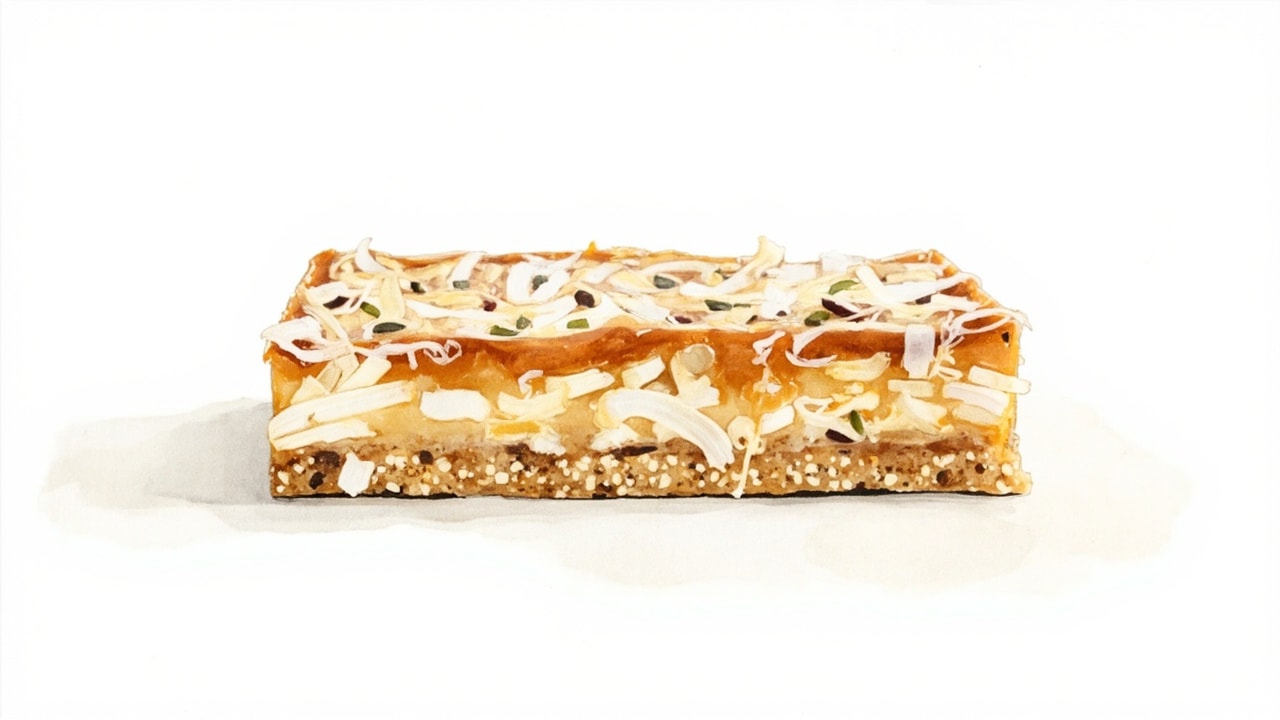
Using a spatula, fold in the shredded coconut and sesame seeds until every surface is evenly coated with the warm caramel mixture.
Pour the warm topping over the pre-baked crust. Spread evenly with a spatula to cover the entire surface, gently nudging the mixture out to the edges and corners.
Return the pan to the oven and bake for 20 to 25 minutes until the topping is set, slightly puffed, and golden brown around the edges; the center should reach an internal temperature of 71°C/160°F to ensure the egg is fully cooked.
Transfer the pan to a wire cooling rack and cool completely at room temperature for 30 minutes, then refrigerate for at least 2 hours until the topping is firm.
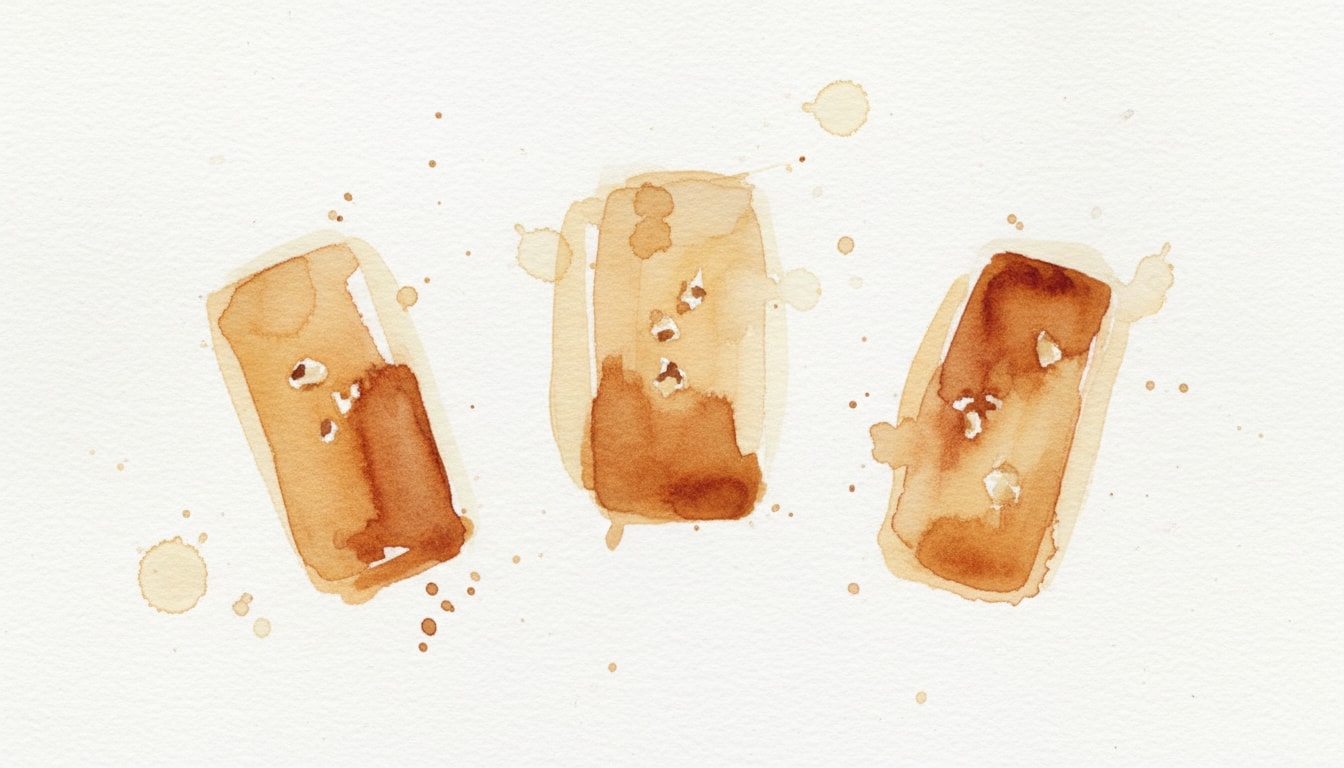
Grasp the parchment paper handles and lift the chilled slab out of the pan onto a cutting board. Slice into 16 even bars using a sharp knife, wiping the blade clean with a damp cloth between cuts for tidy edges.
Chef's Notes
- Pressing the crust firmly is non-negotiable; a loosely packed base will crumble when sliced. Use the bottom of a flat measuring cup and apply even pressure across the entire surface.
- Toasting the sesame seeds in a dry pan over medium heat for 2 to 3 minutes before adding them deepens their nutty aroma, but watch carefully since they scorch quickly once they begin coloring.
- The caramel must reduce sufficiently before adding the dry ingredients; if it is too thin, the topping will not set properly. Look for it to coat the back of a spoon and leave a brief trail when you run a finger through it.
- For exceptionally clean cuts, chill the slab overnight, then use a thin-bladed knife dipped in hot water and wiped dry between each slice.
- These bars develop deeper, more complex flavor on the second day as the tahini mellows into the caramel, so consider making them a day ahead for serving.
Storage
Refrigerator: 1 week — Store in an airtight container, layered between parchment paper to prevent sticking
Freezer: 3 months — Wrap individual bars tightly in plastic wrap then foil, or freeze in a sealed container; thaw overnight in the refrigerator
Reheating: Best served at room temperature for optimal texture; can be gently warmed in a 150°C/300°F oven for 5 minutes if desired
Troubleshooting
Crust crumbles and falls apart when sliced
Cause: Crust mixture was not pressed firmly enough into the pan, or lacked sufficient binding
Fix: Cannot be fully fixed once baked; serve crumbles as a topping over yogurt, oatmeal, or ice cream
Prevention: Use the flat base of a measuring cup to compress the crust thoroughly, ensuring it reaches the corners in an even layer
Topping remains soft, sticky, or runny after chilling
Cause: Coconut milk and sugar were not reduced enough before adding the dry ingredients, or the final bake was too short
Fix: Return the pan to a 175°C/350°F oven for an additional 5 to 10 minutes, then re-chill until firm
Prevention: Simmer the caramel until it visibly thickens and coats a spoon, then bake the full recommended time
Topping scorches on the surface before the center sets
Cause: Oven temperature runs hot or the pan is positioned too close to the upper heating element
Fix: Cannot be reversed once burnt; trim the darkened top layer with a knife if only superficial
Prevention: Verify your oven with a thermometer and use a center rack; tent loosely with foil if browning too quickly
Coconut milk mixture separates or looks grainy while reducing
Cause: Heat was too high during simmering, causing the fats to break from the liquid
Fix: Remove from heat and whisk vigorously to re-emulsify; the tahini added in the next step will also help smooth the texture
Prevention: Maintain a gentle simmer over medium-low heat and whisk frequently rather than letting it roll
Bars taste dry or chalky
Cause: Overbaking the crust or the finished bars, which drives off moisture
Fix: Cannot be reversed; store with a slice of bread in the container overnight to introduce gentle moisture
Prevention: Bake only until lightly golden and pull the finished bars when the topping is just set in the center
Cultural Context
Heavenly bars are a beloved American potluck and bake-sale classic that gained widespread popularity in the mid-twentieth century, prized for their simple preparation and crowd-pleasing combination of buttery shortbread and chewy coconut topping. The sesame-coconut variation draws on the long-standing culinary tradition in Middle Eastern and South Asian kitchens where sesame and coconut frequently appear together in confections and sweets. This modern interpretation retains the spirit of the original while incorporating whole-grain flours, less refined sweeteners, and tahini for a wholesome contemporary twist.