Equipment
Ingredients
Main
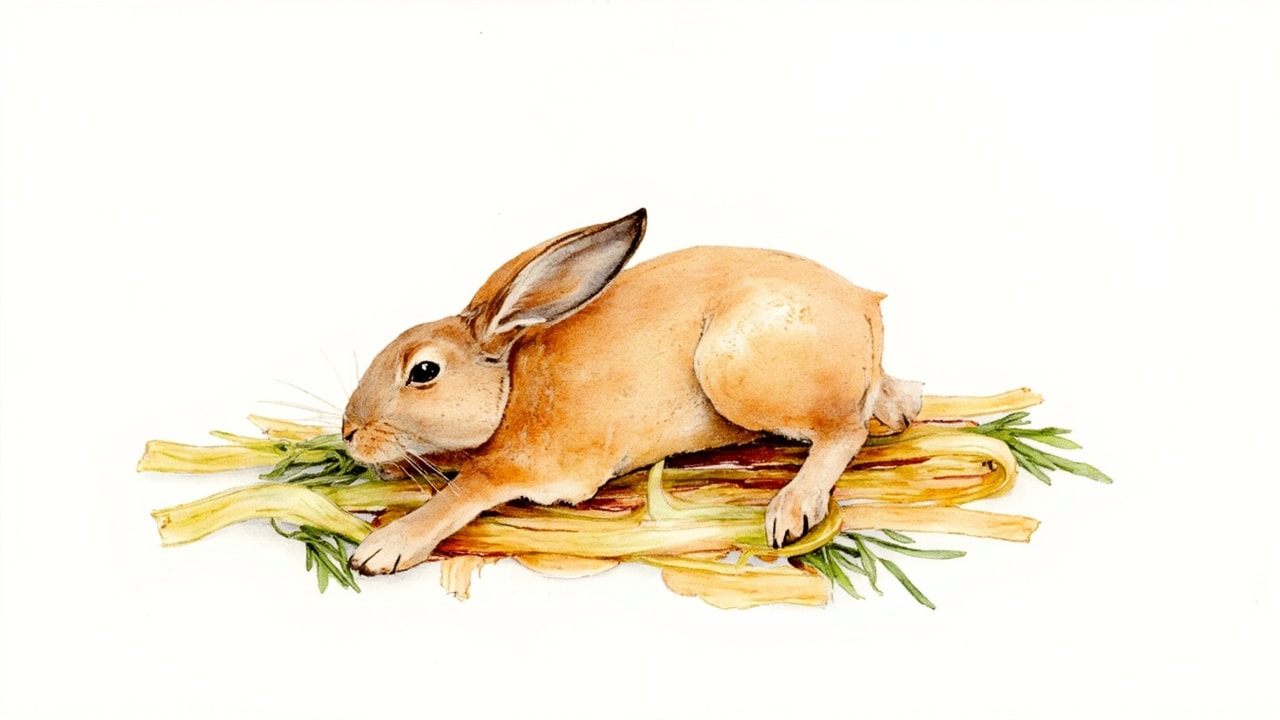
- 1500 g rabbit, cut into 8-10 bone-in pieces, patted very dry
- 600 g fennel bulb, stalks and tough core removed, thinly sliced
Seasoning
- 12 g salt
- 4 g black pepper
- 6 g fennel seeds, lightly crushed just before use
Nutrition (per serving)
Nutrition is estimated per serving. Nutrients without complete source data are omitted.
Full nutrition
- Calories
- 352 kcal
- Protein
- 47 g
- Carbohydrates
- 11 g
- Fat
- 13 g
- Fiber
- 5 g
- Sodium
- 1323 mg
- Saturated Fat
- 4 g
- Monounsaturated Fat
- 4 g
- Polyunsaturated Fat
- 3 g
- Cholesterol
- 128 mg
- Potassium
- 1299 mg
- Calcium
- 114 mg
- Iron
- 4.8 mg
- Magnesium
- 72 mg
- Phosphorus
- 551 mg
- Zinc
- 3.9 mg
- Vitamin A
- 60 mcg
- Vitamin C
- 15 mg
- Vitamin B6
- 1.2 mg
- Vitamin B12
- 16.1 mcg
- Thiamin
- 0.24 mg
- Riboflavin
- 0.38 mg
- Niacin
- 17.3 mg
- Water
- 277 g
Sources: USDA FoodData Central
Method
Preheat the oven to 200°C (400°F). Position a rack in the lower third of the oven to encourage even browning on the underside of the rabbit.
Place the fennel seeds in a mortar and pestle and crush with firm, circular pressure until roughly half of the seeds are broken and the mixture releases a strong, bright anise aroma. Set aside.
Pat each rabbit piece thoroughly dry with paper towels, pressing into every crevice. Surface moisture is the main enemy of browning and will cause the meat to steam rather than roast.
Halve each fennel bulb lengthwise, slice away the tough V-shaped core, then thinly slice crosswise into roughly 3 mm (1/8 inch) half-moons. Set the fronds aside if using for garnish.
In a large mixing bowl, combine the rabbit pieces with the salt, coarsely ground black pepper, and crushed fennel seeds. Toss and rub the seasonings into the flesh and along any visible seams of fat. Let stand at room temperature for 15 minutes so the salt can begin drawing out surface moisture and lightly cure the exterior.
Spread the sliced fennel in an even layer across the bottom of a large roasting pan. Arrange the seasoned rabbit pieces on top in a single layer, placing the leanest cuts (saddle and loin) toward the center and the thicker thighs and shoulders around the edges where heat is most intense.
Cover the pan tightly with its lid or a sheet of heavy aluminum foil and place in the lower third of the oven. Roast for 30 minutes, allowing the fennel to wilt and release steam that gently cooks the rabbit through.
Remove the lid and continue roasting for 25 to 30 minutes, using tongs to baste the rabbit once with the rendered pan juices about halfway through. Roast until the rabbit is deeply golden, the fennel edges are caramelized and amber in places, and an instant-read thermometer inserted into the thickest part of a thigh (without touching bone) registers 74°C (165°F).
Transfer the rabbit and fennel to a warmed serving platter and let rest, loosely tented with foil, for 8 to 10 minutes. Spoon the rendered pan juices over the meat and scatter the reserved fennel fronds across the top just before bringing to the table.
Chef's Notes
- Rabbit is among the leanest meats commonly eaten, with virtually no intramuscular fat. The two-stage covered-then-uncovered roasting method is the most reliable way to keep the flesh moist while still developing a flavorful crust.
- Crushing fennel seeds releases volatile aromatic oils that evaporate rapidly once exposed to air. Always crush them within minutes of seasoning for the brightest fragrance and deepest flavor.
- A young rabbit (suckling or under 12 weeks) gives the most tender results. Older rabbits benefit from longer brining or marination, so this simple seasoning method is best suited to fresh, young animals.
- The pan juices collected during roasting are essentially emulsified rabbit fat and fennel essence. Spooning them over the meat at the table adds significant richness and gloss without any added fat.
- Slicing the fennel thinly and laying it beneath the rabbit serves a dual purpose: it creates a natural rack that elevates the meat above pooling juices, and it absorbs the rabbit's rendered fat for a deeply savory, almost gratin-like finish.
Storage
Refrigerator: 3 days — Store in an airtight container with pan juices poured over the meat to prevent drying.
Freezer: 2 months — Freeze rabbit and fennel together with a small amount of pan juices in a sealed container; thaw overnight in refrigerator before reheating.
Reheating: Reheat gently in a covered pan in a 160°C (325°F) oven with a splash of water, until rabbit reaches 74°C (165°F) internal temperature.
Troubleshooting
Rabbit is dry and stringy after roasting
Cause: Overcooked, or the rabbit was past prime age with tough connective tissue
Fix: Cannot undo overcooking. Slice the meat thin across the grain and drench with pan juices, or shred and repurpose into a pasta sauce or braise.
Prevention: Use a young rabbit (under 12 weeks), start checking internal temperature at the 20-minute mark of the uncovered roast, and pull from the oven the moment the thigh hits 74°C (165°F).
Fennel is pale, watery, and lacks caramelization
Cause: The lid remained on for the entire cook, trapping all moisture as steam
Fix: Drain the liquid from the pan, transfer fennel to a rimmed sheet pan, and broil 3 to 5 minutes until edges char lightly.
Prevention: Always remove the lid during the final 25 to 30 minutes so moisture can evaporate and browning can occur; slice fennel no thicker than 3 mm (1/8 inch).
Rabbit surface is pale and rubbery instead of golden and crisp
Cause: Pieces were not dried sufficiently before seasoning, or the pan was overcrowded with no airflow between pieces
Fix: Run under a hot broiler for 2 to 3 minutes, watching carefully because rendered rabbit fat can splatter.
Prevention: Pat each rabbit piece thoroughly dry twice if needed, and arrange in a single layer with small gaps between pieces.
Strongly bitter, almost soapy flavor throughout
Cause: Fennel seeds were over-crushed into a fine powder, releasing excessive anethole
Fix: Cannot be removed. Balance at the table with a squeeze of lemon or a splash of mild vinegar; serve with plenty of plain bread or potatoes to mellow the perception.
Prevention: Stop crushing as soon as about half the seeds are broken; a coarse, uneven texture is the goal.
Cultural Context
This dish follows the Italian tradition of coniglio al finocchio, a pairing found throughout central and northern Italy where wild fennel grows abundantly along roadsides, in fields, and at the edges of vineyards. The combination reflects centuries-old cucina povera, where country cooks paired lean, plentiful game with free, foraged aromatics rather than expensive imported spices. In Tuscany, Emilia-Romagna, and Veneto, similar preparations appear from autumn into early winter, often using wild rabbit braised slowly until the meat falls from the bone and the fennel dissolves into a silky, perfumed sauce.