
Equipment
Ingredients
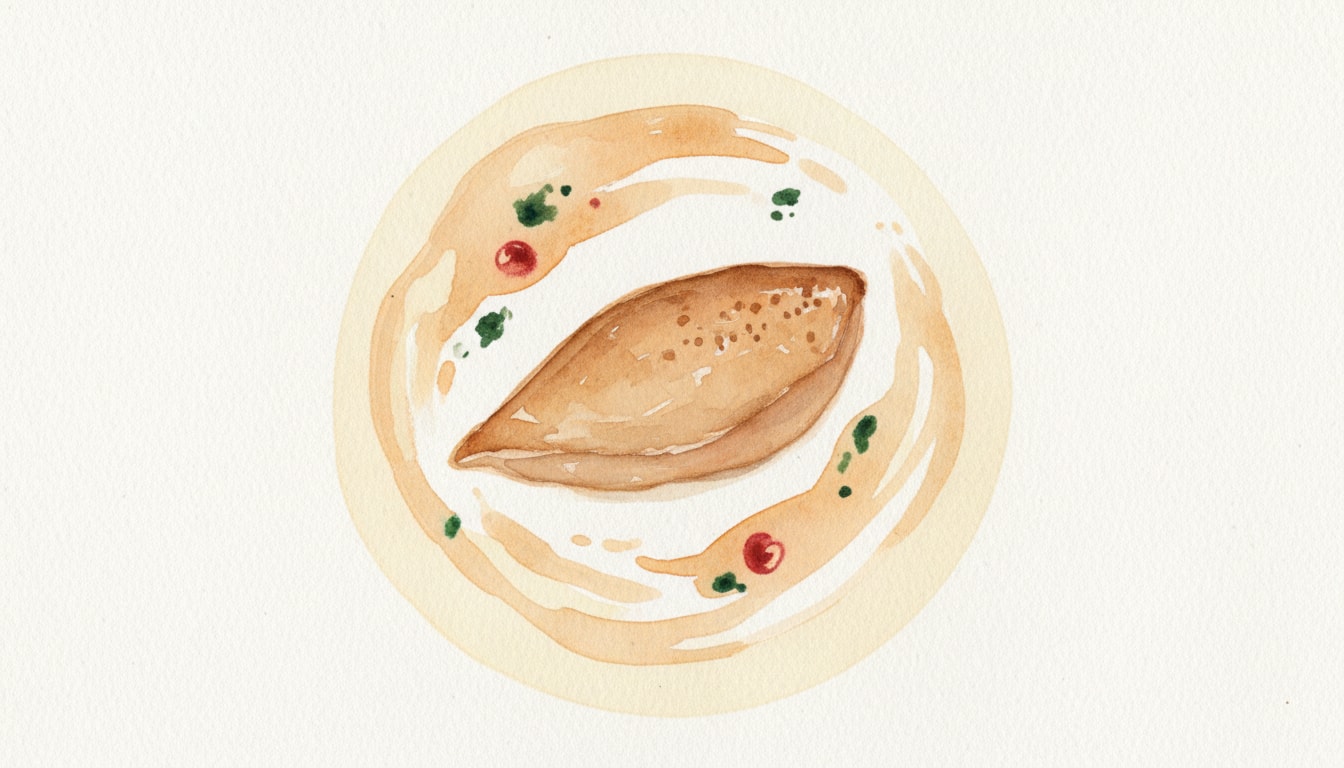
Pheasant
- 2 pheasant breasts, boneless, skin-on or skinless
- kosher salt
- black pepper, freshly ground
- 15 ml olive oil
- 15 g unsalted butter
Mushroom & Shallot Sauce
- 150 g cremini or wild mushrooms, sliced
- 2 shallots, finely minced
- 45 ml brandy
- 120 ml chicken stock
- 80 ml heavy cream, room temperature
- 3 fresh thyme, sprigs
- 5 g fresh parsley, chopped, for garnish
Nutrition (per serving)
Nutrition is estimated per serving. Nutrients without complete source data are omitted.
Full nutrition
- Calories
- 460 kcal
- Protein
- 14 g
- Carbohydrates
- 23 g
- Fat
- 32 g
- Fiber
- 9 g
- Sugar
- 5 g
- Sodium
- 2208 mg
- Saturated Fat
- 15 g
- Trans Fat
- 1 g
- Monounsaturated Fat
- 12 g
- Polyunsaturated Fat
- 3 g
- Cholesterol
- 82 mg
- Potassium
- 810 mg
- Calcium
- 256 mg
- Iron
- 9.6 mg
- Magnesium
- 106 mg
- Phosphorus
- 219 mg
- Zinc
- 1.8 mg
- Vitamin A
- 342 mcg
- Vitamin C
- 80 mg
- Vitamin D
- 0.9 mcg
- Vitamin E
- 1.8 mg
- Vitamin K
- 56 mcg
- Vitamin B6
- 0.5 mg
- Vitamin B12
- 0.2 mcg
- Thiamin
- 0.15 mg
- Riboflavin
- 0.67 mg
- Niacin
- 6.8 mg
- Folate
- 51 mcg
- Water
- 229 g
- Alcohol
- 0 g
- Caffeine
- 0 mg
Sources: Aggregated Public Data, USDA FoodData Central
Method
Pat the pheasant breasts completely dry with paper towels. Season generously on all sides with salt and freshly ground black pepper.
Heat the olive oil and butter in a heavy skillet over medium-high heat. Once the butter foams and subsides, add the pheasant breasts (skin-side down if applicable). Sear without moving for 3-4 minutes until golden brown.
Flip the breasts and cook for another 2-3 minutes until they are browned but slightly undercooked in the center (they will finish in the sauce). Remove pheasant to a plate and rest.
Reduce heat to medium. Add the sliced mushrooms to the pan juices. Sauté for 5 minutes until they release their liquid and begin to brown. Add the minced shallots and thyme sprigs, sautéing for another 2 minutes until shallots are softened and fragrant.
Remove the pan from the heat source momentarily and pour in the brandy to deglaze. Return to heat and let the alcohol bubble away rapidly, scraping up any browned bits (fond) from the bottom of the pan.
Add the chicken stock and simmer until the liquid reduces by half, concentrating the flavors.
Stir in the heavy cream and bring to a gentle simmer. Do not boil vigorously or the cream may split.
Return the resting pheasant breasts (and any accumulated juices on the plate) to the pan. Simmer gently for 2-3 minutes, basting the meat with the sauce, until the internal temperature reaches 74°C/165°F. Discard thyme sprigs, garnish with parsley, and serve immediately.
Chef's Notes
- If available, use a mix of chanterelle or oyster mushrooms for a more complex, woody flavor profile suitable for game.
- Be careful when adding brandy near an open gas flame; turn the burner off while pouring to prevent flare-ups.
- If the sauce becomes too thick while the pheasant finishes cooking, whisk in a tablespoon of warm water or additional stock.
- Serve alongside wild rice or roasted fingerling potatoes to soak up the rich sauce.
Storage
Refrigerator: 2 days — Pheasant dries out easily upon reheating; sauce separates if overheated.
Reheating: Gently warm in a skillet over low heat, adding a splash of water or stock to re-emulsify the sauce.
Troubleshooting
Pheasant is dry and tough
Cause: Overcooking; pheasant is much leaner than chicken
Fix: Slice thinly against the grain and toss generously in the cream sauce to add moisture
Prevention: Remove from heat immediately once internal temp hits target; rely on carryover cooking
Cultural Context
Pheasant hunting has a long tradition in American rural culinary history, particularly in the Midwest and Great Plains. This preparation borrows from the classic French 'Supreme' sauce technique, adapting it to the leaner, gamier nature of wild birds popular in New American seasonal dining.


