Equipment
Ingredients
Dough
- 225 g unsalted butter, softened to room temperature
- 175 g caster sugar
- 2 lemon zest
- 1 large egg, room temperature
- 300 g self-raising flour
- 1 mixed spice
- 1 fine sea salt
- 100 g dried currants, plumped in warm water for 10 minutes then drained and patted dry
Topping
- 25 g demerara sugar
- 15 ml milk, for brushing, if needed
Nutrition (per serving)
Nutrition is estimated per serving. Nutrients without complete source data are omitted.
Full nutrition
- Calories
- 192 kcal
- Protein
- 2 g
- Carbohydrates
- 24 g
- Fat
- 10 g
- Fiber
- 1 g
- Sugar
- 13 g
- Sodium
- 207 mg
- Potassium
- 49 mg
- Calcium
- 64 mg
- Iron
- 0.7 mg
- Magnesium
- 3 mg
- Phosphorus
- 102 mg
- Zinc
- 0.1 mg
Sources: Aggregated Public Data, USDA FoodData Central
Method
Preheat the oven to 180°C (350°F) and line two baking sheets with baking parchment.
Place the softened butter, caster sugar, and lemon zest into a mixing bowl. Cream together with an electric mixer or wooden spoon for 4-5 minutes until very pale, light, and fluffy.
Beat in the lightly beaten egg a little at a time until fully incorporated and the mixture looks smooth.
Sift in the self-raising flour, mixed spice, and salt over the bowl. Add the drained currants on top.
Use a large spoon or spatula to fold the dry ingredients and currants through the butter mixture until just combined and a soft dough forms. Avoid overworking.
Turn the dough out onto a lightly floured surface and roll to an even thickness of about 8mm (just under half an inch).
Dip a 6-7cm round cutter in flour and stamp out rounds, re-rolling the trimmings as needed. Place the biscuits on the prepared baking sheets, spacing them about 3cm apart.
Brush the tops lightly with a little milk and sprinkle generously with demerara sugar for a sparkling finish.
Bake on the middle shelf for 10-12 minutes until the edges are just turning pale gold and the centres feel set to a light touch. The biscuits should still look slightly soft as they will firm up while cooling.
Leave the biscuits to cool on the baking sheets for 5 minutes, then transfer to a cooling rack to finish cooling completely.
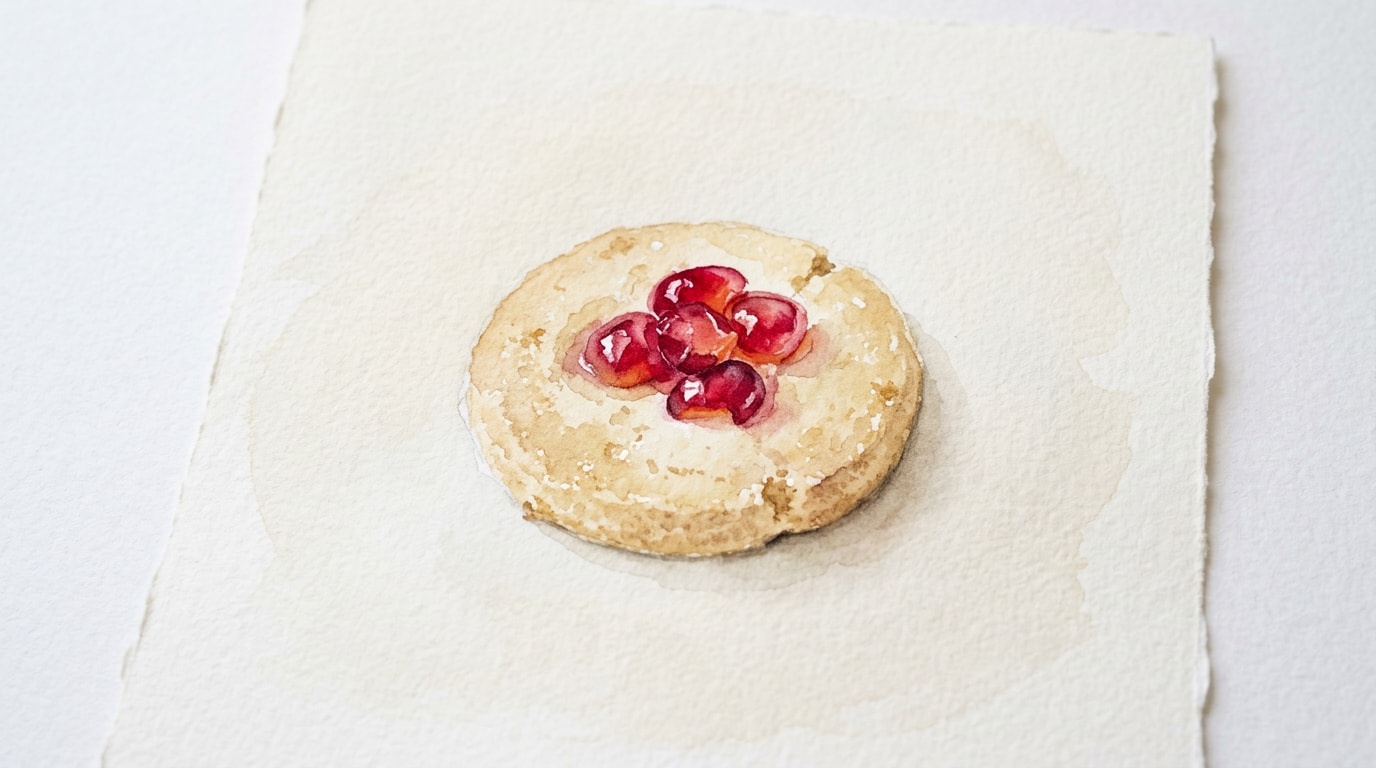
Serve once fully cooled, alongside hot cross buns, a pot of tea, or as a sweet finish to an Easter Sunday lunch.
Chef's Notes
- For the most fragrant lemon flavour, choose unwaxed lemons and zest them at room temperature, when the oils flow most freely.
- Plumping the currants in warm water for 10 minutes, then drying them, prevents them from drawing moisture out of the dough during baking and keeps the biscuits tender.
- Rolling the dough between two sheets of baking parchment minimises added flour, which would toughen the final crumb.
- A short chill of 15 minutes before baking helps the biscuits hold their shape and develop a cleaner edge in the oven.
- These biscuits improve in flavour on the day they are made but stay buttery and tender for up to a week in a sealed tin.
Storage
Refrigerator: 1 week — Store in an airtight container, layered between sheets of baking parchment to prevent sticking.
Freezer: 3 months — Freeze baked biscuits in a sealed container or freeze the raw dough rounds on a tray, then transfer to a bag and bake from frozen, adding 2 minutes to the baking time.
Reheating: Briefly warm in a 160°C (320°F) oven for 3-4 minutes to refresh the buttery aroma.
Troubleshooting
Biscuits spread too much and lost their shape
Cause: Butter was too warm or the dough was overmixed, melting the fat before baking
Fix: Cannot be fixed after baking, but gently reshape soft rounds with a round cutter immediately after removing from the oven while still hot
Prevention: Use butter that holds its shape when pressed, only 18-20°C, and chill the shaped rounds for 15 minutes if your kitchen is warm
Biscuits feel dry or sandy in the mouth
Cause: Overbaking or too much flour was incorporated during rolling
Fix: Store in a sealed tin with a slice of bread for 24 hours to soften slightly
Prevention: Bake just until the edges turn pale gold and measure flour accurately using the spoon-and-level method
Currants burned on the surface
Cause: Currants were not dried properly after soaking, or they sat too high in the dough
Fix: Cannot be fixed once burned, grate a little extra lemon zest over the cooled biscuits to mask bitterness
Prevention: Pat soaked currants thoroughly dry with a clean tea towel and press them gently into the dough before baking
Lemon flavour is barely detectable
Cause: Zest was grated too lightly or added late in mixing
Fix: Brush cooled biscuits lightly with a thin icing made from icing sugar and fresh lemon juice
Prevention: Use a microplane to capture only the bright yellow zest (no white pith) and rub it into the sugar at the start
Cultural Context
Easter biscuits are a centuries-old British teatime tradition, particularly associated with the West Country of England, where they were often baked on Good Friday and exchanged as small gifts among family and neighbours. The currants are said to symbolise the spices brought by the Three Wise Men, while the bright lemon zest reflects the renewal of spring. Mary Berry's classic Easter biscuit recipes helped keep this humble, buttery tradition alive for modern home bakers across Britain.